
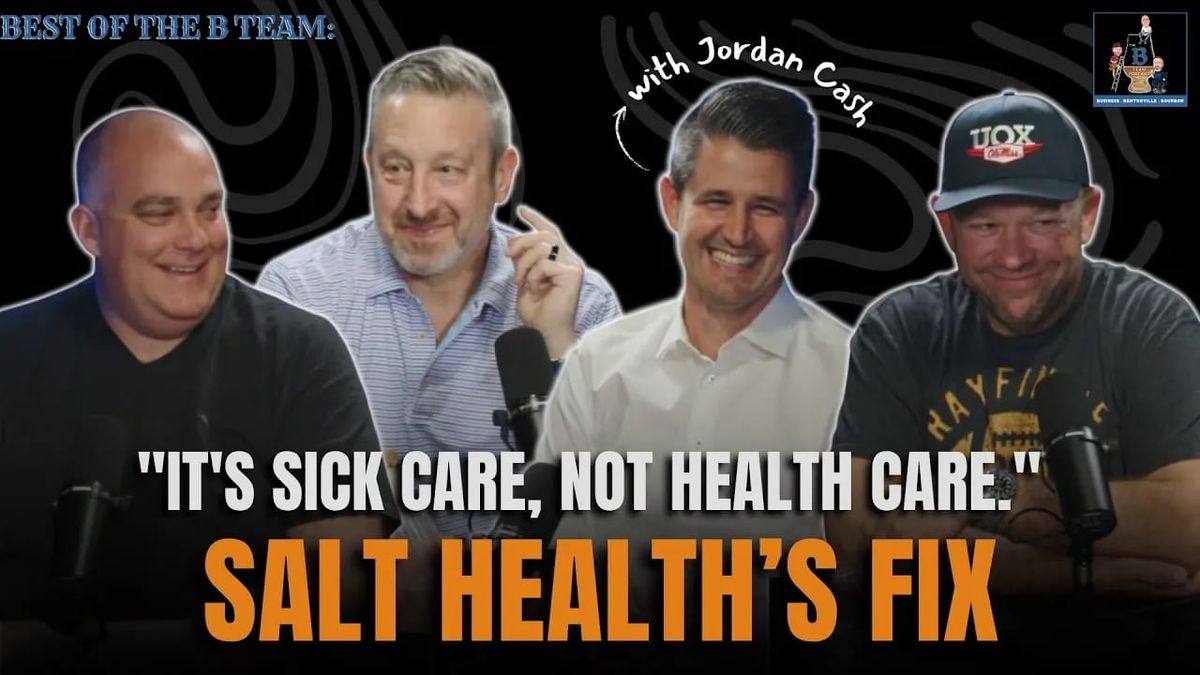
The modern medical system isn't built to keep you healthy, it's built to treat you once you're already sick. Between skyrocketing premiums and high-volume clinics forcing physicians to speed through appointments, patients end up feeling like numbers on a spreadsheet instead of human beings. Investing early in your physical well-being is the only way to avoid paying a massive tax on your body and bank account later in life. Jordan Cash, co-founder of SALT Health, brings nearly twenty years of industry experience to explain how combining primary care, fitness, and recovery under one roof changes the entire patient dynamic.
We sit down to talk about the underlying financial structures that force traditional doctors to see thirty patients a day and why that environment creates massive burnout for practitioners. We get into the actual math behind deductible spending, how lifestyle choices impact multiple generations of a family, and the shift from reactive treatments to proactive longevity. Jordan shares his unique perspective on integrating personal training, dietetics, and medical care into a single collaborative team without sending patients through a maze of external referrals.
Walking away from the standard healthcare model requires an honest look at where your time and money actually go every month. True health management isn't about jumping on trendy diets or cutting out specific food groups, but rather setting up sustainable systems that prevent chronic issues long before a hospital visit is required. Restructuring your daily habits and finding a team that actually tracks your long-term progress takes effort, but waiting for a sudden health crisis is always the more expensive path.
If you care about preventive wellness, fixing broken industry models, and building long-term personal longevity, you'll get a lot from this episode. Make sure to subscribe to the channel, share this with a friend, and leave a comment below. What is the single biggest frustration you have experienced with standard doctor visits?
More About this Episode
The Problem with Modern Sick Care and the Shift to True Health
The traditional healthcare system has operated under a model that is far more accurately described as sick care rather than true health care. Over the past several decades, the core structure of medicine has drifted away from personal relationships and prevention, shifting instead toward reactive treatment. High operational overhead, complex insurance requirements, and heavy administrative burdens force primary care physicians to manage anywhere from twenty-five to thirty-five patients every single day.
When a doctor is constrained to a ten-minute time slot per appointment, meaningful human connection becomes nearly impossible. The clinical visit is reduced to a rushed checklist, often ending with a quick prescription to manage symptoms rather than an in-depth investigation into root causes. This high-volume environment inevitably leads to severe professional physician burnout and leaves individuals feeling like little more than a number in an automated system.
True healthcare should not mean waiting until a chronic condition appears before taking meaningful action. Over ninety percent of the multi-trillion-dollar national healthcare expenditure goes directly toward managing established chronic diseases. The modern medical infrastructure is fundamentally engineered to respond after a health crisis occurs, rather than building protective habits early.
To fix this broken dynamic, personal health management must transition from a reactive mindset to a proactive wellness strategy. Investing time, attention, and resources into foundational health early in life dramatically alters long-term vitality. By prioritizing preventive care, functional movement, targeted nutrition, and physical recovery, individuals can significantly reduce their reliance on emergency medical interventions and expensive treatments down the road.
Redefining Primary Care through an Integrated Wellness Model
Achieving sustainable health requires a much broader approach than an annual physical checkup. Optimal vitality exists at the intersection of direct medical guidance, tailored exercise, personalized nutrition, and intentional recovery. Combining these distinct disciplines under a single roof eliminates the friction that so often prevents people from staying consistent with their health goals.
When medical providers, personal trainers, dietitians, health coaches, and recovery specialists work in direct collaboration, patient care becomes truly personalized. In a traditional setting, a specialist rarely communicates directly with a patient's personal trainer or nutritionist. In an integrated model, a primary care physician can instantly adjust a member's wellness plan, consult directly with the team dietitian regarding lab results, and coordinate with a fitness trainer to protect an injured joint. This collaborative environment ensures continuous, holistic care, giving members direct access to ongoing guidance instead of making them wait months for a brief follow-up visit.
Access to comprehensive facility resources helps transform health management from an intimidating chore into an enjoyable daily routine. Incorporating contrast therapy, such as infrared saunas, steam rooms, and cold plunges, alongside custom fitness spaces and direct digital communication portals, gives individuals full agency over their daily wellness journeys. Members can check in with their care team through secure messaging, ask quick questions about new supplements or prescriptions, and receive timely guidance without unnecessary delays.
The Power of Generational Health and Preventing Chronic Disease
The motivation to take control of personal health frequently hits during a specific window of life, typically between the ages of thirty-five and fifty. During this period, adults often experience a unique generational perspective that reshapes how they view their well-being, longevity, and overall purpose.
First, adults in this age bracket begin observing their aging parents. Watching parents navigate mobility challenges, cognitive decline, or long-term chronic conditions serves as a powerful wake-up call. It highlights a critical reality: simply living longer is not the ultimate goal; maintaining a high quality of life throughout those years is what truly matters.
Second, parents begin evaluating the habits they are passing down to their children. Many adults grew up on highly processed foods and sedentary routines. Recognizing the impact of those early habits drives parents to model better nutrition, consistent movement, and healthier stress management strategies for their own children, laying a stronger foundation for the next generation.
Third, mid-life brings career growth, business ownership, and high-level executive responsibilities. Managing high levels of daily stress requires physical resilience. High stress accelerates physical wear and tear on the body, making proactive health optimization essential for maintaining daily performance and preventing premature burnout.
Proactive health strategies focus heavily on delaying or completely preventing cardiovascular, metabolic, and stress-related conditions. Delaying a major cardiovascular event or metabolic diagnosis by fifteen to twenty years saves immense financial resources while protecting priceless quality of life. Preventing systemic health breakdown always yields a far higher return on investment than attempting to repair late-stage medical crises.
Community Culture as a Catalyst for Active Living
Individual health decisions are profoundly influenced by surrounding community environments. A regional culture that values active lifestyles, accessible outdoor spaces, and high-quality dining options makes healthy living far easier to sustain over the long haul.
Northwest Arkansas has established itself as a premier destination for health innovation and active living. The region balances booming economic growth with a deep community commitment to comprehensive wellness. Major investments continue to pour into local medical infrastructure, including cutting-edge cardiovascular research partnerships and top-tier medical education initiatives.
Beyond formal clinical developments, the physical environment itself encourages an active, health-conscious lifestyle. Expansive trail networks invite regular outdoor exercise, while the local culinary scene increasingly emphasizes clean, intentional sourcing. Restaurants throughout towns like Bentonville frequently offer dedicated gluten-free options and focus on natural, farm-to-table ingredients rather than heavily processed seed oils and hidden sugars. When the surrounding community culture naturally reinforces healthy choices, maintaining long-term vitality becomes an organic way of life.
Actionable Steps toward Sustainable Longevity
Moving away from traditional sick care and embracing proactive health management starts with intentional, everyday choices. Taking ownership of personal health involves focusing on straightforward, repeatable practices:
- Reevaluate Your Current Care Model: Assess whether your current medical setup offers proactive, personalized guidance or merely reacts when active symptoms arise.
- Prioritize Comprehensive Screenings: Partner with medical professionals who utilize advanced blood work and metabolic panels to detect early physiological shifts long before chronic conditions materialize.
- Combine Movement with Intentional Recovery: Pair consistent strength and cardiovascular training with restorative modalities like infrared saunas, deliberate cold exposure, and adequate rest to control chronic inflammation.
- Focus on Whole-Food Nutrition: Shift away from ultra-processed convenience foods in favor of nutrient-dense, whole ingredients. Seek out local food options that prioritize clean sourcing.
- Maintain Open Lines of Communication: Work with a health team that offers direct, accessible communication channels, allowing for real-time micro-adjustments to training, nutrition, and lifestyle habits.
True health optimization is an ongoing journey supported by continuous education, intentional movement, proper recovery, and collaborative medical expertise. Stepping away from the high-volume medical model opens the door to a more vibrant, energized, and longevity-focused life. Jordan Cash and the team at SALT Health continue to pioneer this approach, equipping individuals with the space, tools, and expertise needed to live fully healthy lives.

Member discussion: