
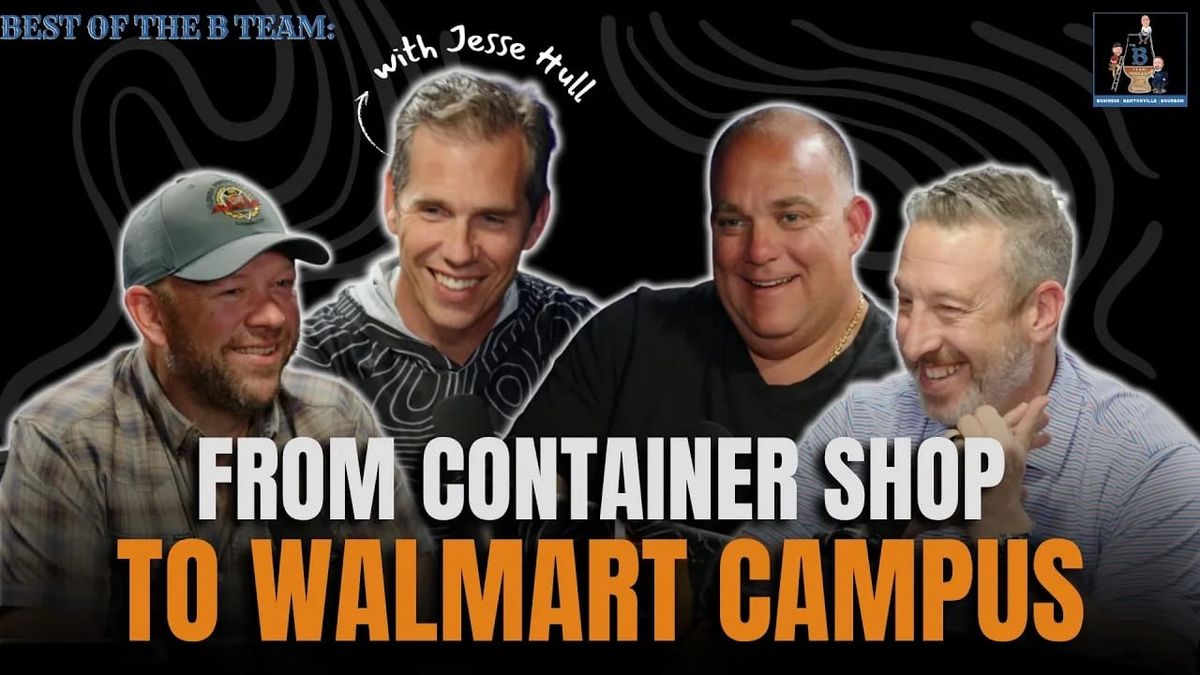
Capitalizing on local infrastructure before it goes mainstream determines who captures the territory and who gets left behind. In this episode, Jesse Hull breaks down how he turned a passionate two-wheel hobby into a dominant multi-location enterprise embedded directly within corporate headquarters.
We sit down to unpack the exact operational shifts required to move from an artistic container setup to a massive two-story flagship destination. Jesse Hull explains the nuances of corporate retail integration, the high-margin reality of fleet rotation schedules, and the strategy behind securing exclusive corporate campus placements over larger national competitors. His core philosophy centers on relationship-driven operations that prioritize customer service agility over rigid corporate sales frameworks.
The reality of running a premium fleet means absorbing massive upfront asset investments where a six-thousand-dollar mountain bike is only viable for a single season of heavy wear. Scaling operations alongside a corporate giant introduces complex logistics, intense competition for real estate, and the constant demand for rapid maintenance turnaround times. Viewers will walk away with a clear framework for auditing their local market positioning and leveraging community partnerships to insulate their brand from turnover.
If you care about micro-mobility infrastructure, asset utilization strategies, and regional brand dominance, you will get a lot of value from this conversation. Make sure to subscribe to the channel and share this episode with a fellow entrepreneur looking to scale. What is the biggest logistical bottleneck you are currently trying to solve in your operations? Let us know in the comments below.
More About this Episode
The Blueprint of a Cycling Capital: How Culture, Commerce, and Community Intersect in Bentonville
When people think of global mountain biking destinations, the mind naturally wanders to the jagged peaks of the Pacific Northwest or the technical alpine descents of Western Europe. Yet, over the last decade, a quiet but monumental shift has occurred right here in Northwest Arkansas. Bentonville has transformed from a quiet corporate headquarters into what is now widely recognized as the mountain biking capital of the world.
This evolution did not happen by accident. It is the result of a deliberate, well-executed strategy where community culture, local commerce, and large-scale corporate infrastructure intersect. As someone who stepped into the local bicycle industry when it was still in its infancy, watching this ecosystem mature has been nothing short of incredible. What began as a personal hobby and an experimental real estate project has evolved into a thriving multi-location operation that sits at the very heart of this regional transformation.
From Container to Community: The Early Inception
Every major movement starts with a small, experimental spark. Years ago, the local cycling scene was gaining traction, but the retail infrastructure in downtown Bentonville was tightly constrained. Space was at a premium, and the concept of a dedicated, high-end rental and service hub in the urban core was untested.
The solution was born out of creative necessity: working alongside the city to establish the very first artistic container structure in downtown Bentonville. Placed in a premium location directly across from the 21c Museum Hotel and right next to Oyo, this unique, industrial-chic space immediately caught the public eye. It became a local landmark, a place where visitors frequently stopped to take photos, often wondering about the architectural marvel before realizing it was a fully functioning rental bike shop.
The initial business model was straightforward: provide high-quality rental bikes to the growing influx of visitors looking to explore the burgeoning local trail networks. The response was immediate. The shop did not just experience steady growth; it took off exponentially, getting busier with each passing season.
When the original container site was eventually cleared to make way for permanent commercial development, the momentum did not stop. Instead, it led to the acquisition of the Bentonville Bike Shop, located at the strategic intersection of Walton Boulevard and Central Avenue. Over the last few years, that location has completely crushed its metrics, earning the title of Bike Shop of the Year in Northwest Arkansas for two consecutive years. The secret to that success is not just the inventory on the floor, but the operational leadership. Having a legitimate, elite general manager who understands the mechanics of both the machinery and human relationships is what anchors a business in a highly competitive market.
The Global Weight of a Local Brand
The scale of the Bentonville cycling phenomenon truly hits home when you travel outside the region. You can walk through the streets of major cities on the West Coast or travel across Europe wearing a shirt featuring a topographic trail map and the Bentonville Bike Shop name, and passionate cyclists will instantly recognize it. They know the geography, they know the trails, and they respect the culture that has been built here.
This global recognition underscores the massive commercial value of cycling tourism. Beyond selling and servicing top-tier mountain bikes, a significant portion of the retail revenue engine is driven by high-quality apparel and branded merchandise. Much like the historic subculture of motorcycle enthusiasts buying custom apparel at every destination they visit, modern cyclists view apparel as a memento of their journey. Visitors traveling from places like St. Louis or the coasts routinely purchase premium branded water bottles, coffee mugs engineered to outperform standard lifestyle brands, and custom shirts. It is a tangible piece of the Bentonville experience that they can take home.
The Corporate Shift: Designing the Corporate Campus Bike Shop
The next major frontier for the regional cycling economy is the integration of two-wheeled transportation into daily corporate life. The most prominent example of this is occurring on the expansive new Walmart home office campus. Securing a retail footprint on a corporate campus of this magnitude is a highly competitive endeavor, with major national and regional bicycle retailers vying for the space.
Winning that opportunity required a deep strategic alignment with the overarching goals of the campus infrastructure. The new campus location, designed as a massive two-story space complete with an architectural mezzanine, represents a deliberate pivot in the traditional bike shop business model.
While the established Walton and Central location will remain fiercely dedicated to the core, hardcore mountain biker who requires specialized service and high-performance trail geometry, the new campus shop is tailored to the corporate ecosystem. The operational blueprint shifts toward maximizing service capacity, expanding accessory inventory, and diversifying the product mix to include city commuter bikes and utility cargo bikes.
This dual-model approach serves multiple distinct demographics:
- Corporate Associates: Employees can seamlessly drop off their personal commuter or mountain bikes for professional maintenance at the start of the workday and pick them up fully serviced by the time they log off.
- Visiting Vendors: Out-of-town vendors and business consultants arriving at the corporate headquarters can instantly rent high-end bicycles directly on campus, allowing them to navigate the city without relying on automotive transit.
- Diverse Demographics: The product mix intentionally moves away from cookie-cutter retail strategies, focusing heavily on expanding access to specialized segments like women's cycling apparel, heavily supporting foundational community initiatives like the Women of Oz.
The E-Bike Revolution and the Accessibility Paradigm
One of the most profound shifts within the cycling landscape over the last three years has been the rapid adoption of electric mountain bikes, commonly known as e-bikes. Historically, the traditional cycling community viewed electric assist with a degree of skepticism, often dismissing it as a shortcut that detracted from the purity of the sport.
The shifting reality on the trails tells a completely different story. Consider a core group of ten dedicated, highly competitive riders. When the first rider in that group, a physically imposing, athletic individual, introduced an e-bike into the rotation due to a demanding lifestyle, the initial reaction from the group was intense good-natured teasing. Fast forward less than three years, and all ten individuals in that group now own an e-bike, with the majority of them choosing to ride their e-bike almost exclusively.
The reason for this paradigm shift is simple: e-bikes do not eliminate the physical workout; they maximize the efficiency and enjoyment of the ride. Cyclists are still working hard, elevating their heart rates, and sweating, but the electric assist allows them to travel significantly further, climb steeper terrain, and sustain longer sessions without physical exhaustion overtaking the experience.
More importantly, e-bikes have democratized the sport. They serve as a critical equalizer for individuals dealing with age-related changes, sports injuries, or chronic physical limitations. Whether it is a rider recovering from a severe lower back injury utilizing an electric assist to return to the trails, or an older parent utilizing an e-bike to comfortably keep pace with their highly fit adult children on an intensive weekend trip, the technology removes the physical barriers to entry. It ensures that riders can spend an entire afternoon cruising through demanding networks like the Back 40 without being left behind at the crest of every hill.
The Economics of the Fleet: Retail versus Rentals
From a strict business metrics perspective, maintaining a premium bicycle fleet requires a sophisticated understanding of asset depreciation and consumer expectations. Operating a high-end rental program is vastly different from a standard retail sales model.
While individual bike sales represent significant top-line revenue events, rental income operates as an incredibly healthy long-term profit center, provided the upfront capital expenditure is managed correctly. The average investment for a premium, trail-ready rental bike sits hovering around the six thousand dollar mark.
Because the expectations of visiting riders are exceptionally high, and because the rugged local terrain demands absolute mechanical reliability, a premium rental bike is typically kept in active service for only a single season. While many shops will extensively rebuild and cycle assets for multiple years, the optimal strategy for maintaining an elite brand reputation involves executing a rigorous maintenance schedule for twelve months, ensuring the bike runs perfectly, and then selling the unit to the public much like a well-maintained rental vehicle.
The wear and tear on these machines can be intense, driven by a vast spectrum of riders. The trails welcome everyone from elite racers to enthusiastic beginners, all pushing their limits and returning with a smile, proving that the local cycling culture is built on resilience and pure enjoyment.
Micro-Mobility and the Modern Workspace Culture
The broader corporate campus transformation is a case study in modern micro-mobility. Driven by targeted leadership initiatives, the region set ambitious benchmarks, aiming for a minimum of ten percent of the corporate workforce to actively bike to work. Through strategic infrastructure planning, dedicated trail connectivity, and convenient on-site support, that milestone has already been successfully achieved.
This shift changes the entire commercial landscape. Every new associate who chooses a bicycle for their daily commute represents a new customer entering the local cycling ecosystem, requiring commuting gear, safety accessories, and consistent mechanical maintenance.
The physical environment of the eighth street corridor, stretching from the vibrant downtown square toward the highway, hums with an unmistakable energy. The infrastructure is designed around integrated campus living, blending work life with immediate access to public parks, extensive trail loops, recreation centers, and a diverse culinary scene.
Even the hospitality and beverage sectors have adapted to this dense, bike-friendly layout. The campus features an unprecedented concentration of artisanal coffee providers, with distinct local brands like Onyx Coffee Lab, Airship Coffee, and Kennedy Coffee establishing dedicated outposts throughout the corporate buildings. It creates an environment where associates can move seamlessly between collaborative workspaces, coffee shops, and trailheads without ever needing a vehicle key.
Building Relationships Over Transactions
Ultimately, the sustained growth of the Bentonville bicycle economy relies on a foundational philosophy: prioritizing human relationships over individual retail transactions. The goal of a premium bike shop in a mature market should never be to force a cookie-cutter product onto a customer.
If a specific rider walks into a shop looking for a highly niche configuration that is better served by a competitor down the street, the correct operational move is to personally refer them to that shop. When a business focuses entirely on building an authentic relationship with every person who walks through the door, it fosters a deep sense of community trust. That dedication to authentic human connection is precisely what aligns local commerce with the grand vision of turning a city into a seamless, welcoming, and world-class cycling sanctuary.

Member discussion: